
Developing a Practice
Walking the Territory
The energy crisis of the 1970’s, when I was eighteen - three-day weeks, rolling powercuts, inflation and unemployment - was a powerful wakening to the looming catastrophes associated with our abuse of land and the earth’s resources. In the aftermath of recession and the rise of unbridled capitalism under Thatcher, I looked for a discipline that would redefine our dominant and exploitative human relationship to the rest of creation, one that might be knowledgeable, mutual, nurturing, creative and celebratory. Through the years I found Liberation Theology, Deep Ecology, Permaculture and Geopoetics, all of which inform my thinking and poetic practice to this day.
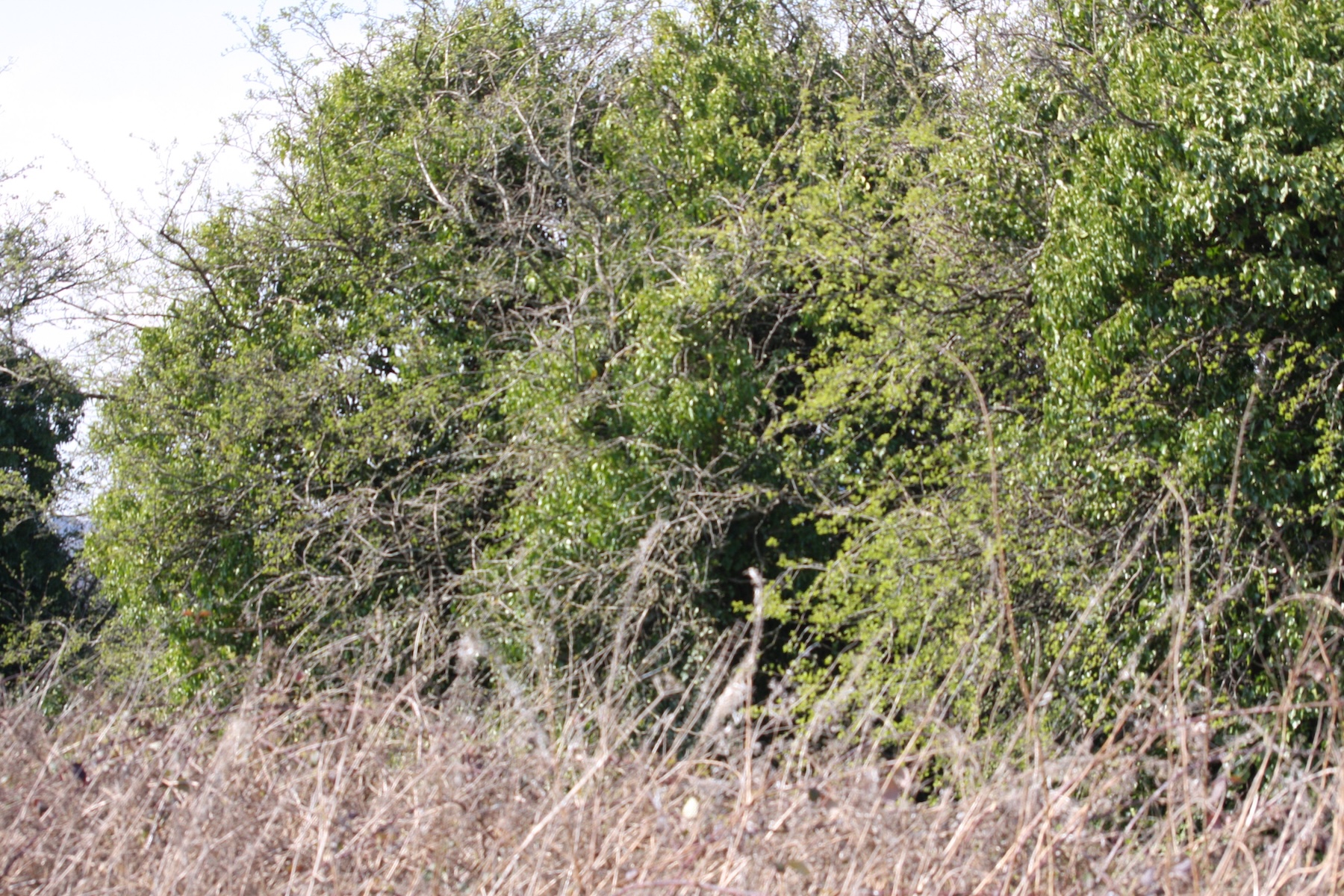
Much as I’d loved the energy and innovation of Kenneth White’s work in establishing the groundwork of Geopoetics, and its willingness to seek inspiration and find connection across many disciplines and cultures, I was wary of his rejection of social involvement, and his dedication to travel - as a mother of young (and later disabled, children), this kind of free-wheeling was not only impractical for the ordinary person, but it became increasingly abhorrent. Permaculture with its imperative to observe and interact, and to learn from the patterns of nature, built a deep and intimate knowledge of the actual patch of ground where I lived - weather, soil, landscape and community - and a depth of connection to my home patch. It urged a more mutual, nurturing relationship to the world, while Liberation theology added a further political dimension, which is often a subtext to even my most earth-based and lyrical work.
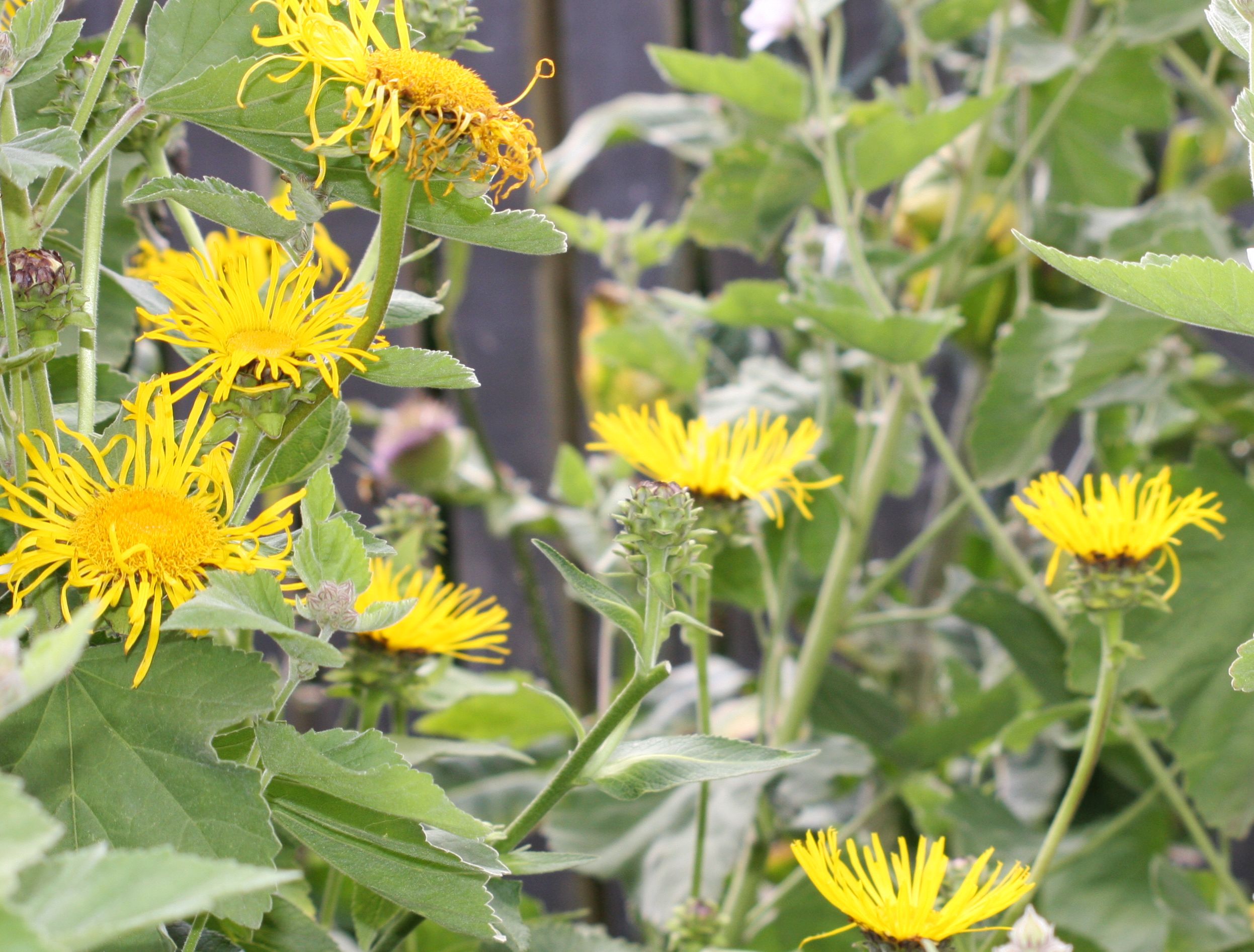 As a child I loved folk music and fantasy writing, and noticed very early on how important an awareness of nature, landscape and agriculture was to the magical atmosphere. Most significant was the use of herbs for healing, teaching, and creativity as well as magic. I became fascinated by the real life knowledge I tapped into, the way my forebears used herbs in cooking, dyeing, medicine and many other household activities, the folklore surrounding them, the skills of growing, harvesting and foraging. I learned the importance of engaging all the senses in order to respond to nature, the diversity and neglected importance of traditional ways of teaching, and the different emphases in what was taught, and what it told us about our place in the world and our relationship to it. As a poet, I became aware of the different ways perception shapes and filters communication, and the way use of language and translation can develop or deny traditional knowledge. Through my work I want to expand the vocabularies available to us, to encourage people to be more aware of the range and complexity of experience we can share, and to become aware of the filters we use to suppress experience in language we do not value.
My regular newsletters often include my reading on the subject and experience in my garden and kitchen. Studying the lore of traditional herbs has been a way into reading landscape, connecting with growers, healers, textile workers, craftsmen, lovers and housewives of the past, understanding the many kinds of skills and knowledge that have been passed down to us, the different relationships people have with land and plants and their own bodies. Lately I have also become more aware of the impact of colonialism on all these issues, not simply through stolen land or exploitation, but through suppression of native cultures, traditional learning and crafts - especially those practised by women - indigenous languages and identity. Herbs and poetry go together in my practice.
I write about this in my newsletters, and many of these issues come up in my poetry and essays. I am open to allowing relevant work to be used by groups active in these areas. Please contact me first, to avoid copyright conflicts.